DIY and home improvement market in the UK - statistics & facts
In recent years, there has been a shift in the mindset of British homeowners and their approach to their living spaces. As house prices continue to rise in the United Kingdom, people have begun investing in their homes and improving them according to their needs, lifestyle, and location. A few staple trends in home improvement have been utilizing natural light and optimizing interiors to create more inviting, spacious and bright rooms.
What does the British home improvement market look like?
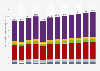
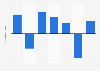
Lately, revenues generated from retail sales of hardware stores have been on the rise in the United Kingdom. As of 2023, annual revenue of specialized stores for hardware, paint, and glass amount to 15 billion pounds, marking it the third year in a row in which figures surpass the 14 billion mark. DIY retail sales also skyrocketed the same year, reaching around 10.6 billion British pounds, which is the highest amount ever recorded.
Key industry players
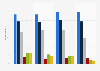
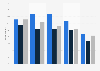
One of the leading home improvement retailers in the UK is Kingfisher plc, a multinational company which includes brands like B&Q, Brico Dépôt and Screwfix. Kingfisher has store locations across Europe, however, the majority of their sales revenue hails from the United Kingdom and Ireland. For the financial year ended January 31, 2025, the British retailer reported a retail profit of over half a billion British pounds.
Another DIY retail company in the United Kingdom, Topps Tiles plc. generated a profit of 8.26 million British pounds in 2025. Topps Tiles also owns Parkside, a popular low-budget DIY brand sold exclusively in Lidl.
Two main reasons why British homeowners turn to home improvement are durability and maintenance, especially if they plan to stay in their property for a long time. Given the variety of brands and sheer number of hardware and DIY stores on the Isles, the home improvement market has something for everyone, no matter their needs.